Madeira Before You Go: Entry, Weather and Your Base
Madeira before you go: visa-free 90 days for UK, US, Canadian and Australian passports, ETIAS status, Funchal weather by month and where to stay.
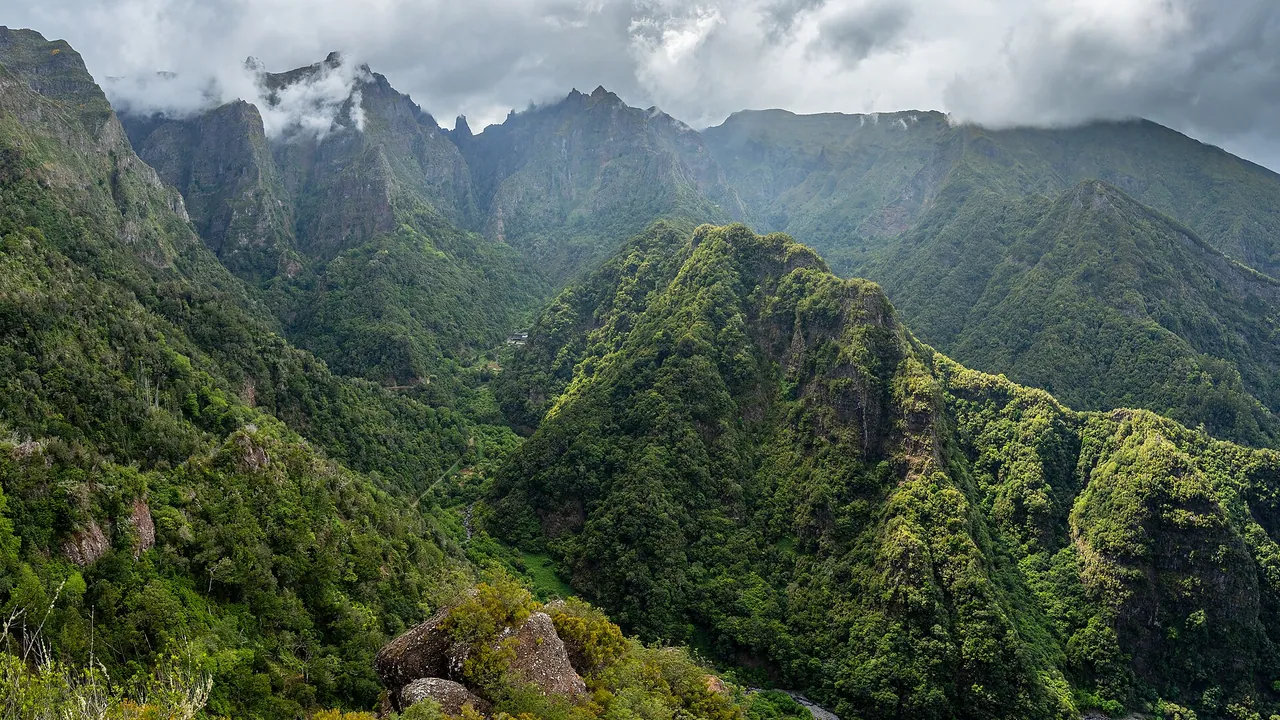
Madeira’s coast and mountains can have different weather on the same day, so pick a base for the journeys you’ll make most and keep the summit and levada days movable. Two costs belong in the budget early: every classified trail needs a booked slot, at €4.50 for a single trail in 2026, and Funchal adds a tourist tax of €2 a night, which a draft regulation would raise to €4, from January 2027 according to local press reports. For entry, UK, US, Canadian and Australian passport holders don’t need a visa for a short stay, but the 90 days are counted across the whole Schengen area.
Who needs a visa, and for how long
Every rule and rate below was read on official pages on 16 and 17 November 2026.
Annex II of Regulation (EU) 2018/1806, in the consolidated text of 30 December 2025, lists the United Kingdom, the United States, Canada, Australia and New Zealand among the countries whose nationals are exempt from a visa for stays of no more than 90 days in any 180-day period. The UK entry excludes the British nationals listed separately in Part 3 of the Annex, such as British Nationals (Overseas) and British overseas territories citizens, who are not British citizens; Part 3 is on the same visa-free list, but holders of those passports should check the rules for their own passport. The count runs across the Schengen area as a whole: three weeks on Madeira and a week in Lisbon use up about 28 of your 90 days.
For an ordinary short visit by a non-EU national, Your Europe adds that the passport must have been issued within the last 10 years and stay valid for at least 3 months after the date you intend to leave the EU. Work backwards from your return flight and you’ll see the catch: a passport that expires two months after you fly home can fail that test. Other passports, residence permits and EU citizens fall under different rules, and Your Europe has a separate page for EU citizens.
EES, ETIAS and the border
The EU’s Entry/Exit System, EES, has been fully operational since 10 April 2026, according to the EU’s own leaflet. It replaces passport stamping: each time a non-EU short-stay visitor crosses an external border of the 29 countries using it, the system records the passport details, the date and place of entry or exit, and a facial image and/or fingerprints. Which airport registers you depends on your route. A direct flight from the UK crosses the external border at Funchal. Fly in from outside Europe through Lisbon and you’ll normally cross it at Lisbon, with the hop to Madeira a domestic leg. The EES online tool at travel-europe.europa.eu shows how many days you have left.
ETIAS, the pre-travel authorisation, is a separate step that doesn’t exist yet in practice. On 17 November 2026 the European Commission’s ETIAS page said the system is “currently not in operation”, that no applications are being collected, and that the EU will announce the start date several months before launch. For a 2027 trip, that start date is the line to watch.
This is a summary of official EU guidance on the date shown, not legal advice. The border officer decides entry. Check the rules for your own passport on the official pages before you book and again before you fly.
Funchal’s weather through the year
These are the 1991-2020 normals from IPMA, Portugal’s weather service, for its Funchal station, 58 metres above sea level on the south coast.
| Month | Mean daily max | Mean daily min | Rain | Days with 1 mm or more |
|---|---|---|---|---|
| January | 20.0 °C | 14.3 °C | 67 mm | 6.2 |
| March | 20.6 °C | 14.3 °C | 62 mm | 5.8 |
| May | 22.0 °C | 16.2 °C | 27 mm | 3.3 |
| July | 25.4 °C | 19.7 °C | 2 mm | 0.3 |
| August | 26.8 °C | 20.7 °C | 1 mm | 0.4 |
| September | 26.6 °C | 20.4 °C | 23 mm | 3.1 |
| October | 25.2 °C | 19.2 °C | 91 mm | 7.0 |
| November | 22.8 °C | 17.0 °C | 80 mm | 7.3 |
| December | 21.0 °C | 15.5 °C | 95 mm | 8.6 |
Temperature barely moves: the mean maximum is 20.0 °C in January and 26.8 °C in August, so a Funchal winter doesn’t call for a coat on the waterfront. Rain does the sorting. July and August average under 3 mm, May, July, August and September all stay below 30 mm, and October to December bring 80 to 95 mm a month. For the driest stretch, at least on the south coast, May to September is your window.
It’s a coastal reading, though. The tourist board’s rule of thumb splits the island: the south usually warmer and drier, the north and the mountains taking more of the wind and rain, and fog and cooler air in the hills on days the coast is in sun. Pico do Areeiro stands at 1,818 metres, so the Funchal row doesn’t describe it. IPMA splits its Madeira warnings into the north coast, south coast, mountain and Porto Santo, which means the mountain warning is the one for a summit day. Trails add a second variable: the status table of IFCN, the regional nature agency that manages the trails, updated on 13 November 2026, listed the PR1 ridge crossing as closed again after a full reopening in May, which is why the central mountains guide suggests planning those days in two versions.
Festival weeks fill Funchal’s beds early: Carnival (February or March), the Flower Festival (May) and the Christmas and New Year programme above all. Their dates move each year, so confirm them in the Funchal guide before you fix a flight.
Where to base yourself
| Base | Car? | What the numbers say |
|---|---|---|
| Funchal | Not for the city | Airport bus €5.55 for an adult on a prepaid GIRO card (€0.50, sold at a machine in the arrivals hall) or €6.70 in cash on board, about 50 minutes to Praia Formosa; Monte cable car €22 return; tourist tax €2 a night for up to 7 nights |
| Calheta and Ponta do Sol, south-west | Yes | Calheta is 33 km from Funchal, on the warmer and drier south side |
| Santana, north-east | Yes | 39.5 km from Funchal, on the wetter side, and nearer the Pico Ruivo trailhead at Achada do Teixeira |
| Santa Cruz and Caniço, airport coast | Car or taxi | The airport lies in Santa Cruz; Visit Madeira puts the run to Funchal at 20 to 25 minutes |
Funchal is the base for anyone without a car: the cable car, the airport bus and the city’s buses all start there, and Visit Madeira’s FAQ says a car isn’t needed for the city. Pick it for a first trip built around the old town, the market and day tours. The Funchal guide covers which part of town to sleep in. A car changes the picture. The south-west and the north put the sunniest coast or the trailheads on your doorstep, and with a car you can swap a wet north day for a dry south one. National’s card hold on its Madeira page is €600 for Mini and Economy cars and €1,000 for other classes, and the car hire guide lays out the other terms. Santa Cruz and Caniço make sense for an early flight, since they shorten the 20 to 25-minute run from Funchal on departure morning, at the cost of the evening walk to dinner in town.
Why the airport bus takes 50 minutes when the road takes 20 to 25, and which stop serves your hotel, is in the transport guide, with bus fares and the Areeiro service suspended since 12 November 2026.
Money, health and the 112 number
The currency is the euro. Tickets bought on board a SIGA bus are paid for in cash, according to the operator’s FAQ, so keep coins and small notes for the first ride.
In an emergency, dial 112. A health card gives you medically necessary state healthcare: a GHIC for UK travellers, an EHIC for people insured in an EU or EEA country or Switzerland. It isn’t a substitute for travel insurance, and the insurance guide explains what the card leaves out, including mountain rescue, and why that matters on the trails.
Plan the days so the weather can move them
The Madeira in 5 days itinerary keeps one hotel for the whole trip, so its driving days can trade places when a forecast turns. Trail slots are the exception: IFCN moves or refunds one only when the route is officially closed or restricted, not for rain, so a walking day that moves needs a new €4.50 booking. For walks, the levada guide covers kit, booking and the official checks.
Before you book, and again before you fly
- Passport: issued within the last 10 years, and valid at least 3 months after your return flight.
- ETIAS: open the Commission’s page once more and see whether it has a start date.
- Cash for the first bus ride, and the airport bus fare if you aren’t taking a taxi.
- Slots booked for the trails you’d walk even in unsettled weather, at €4.50 a trail in 2026 with no refund for rain; the weather-dependent summit days can be booked on the island once the forecast is clear, if slots are left.
- The 112 number and your insurer’s assistance line saved where you can reach them without a signal.
Photos
Read also

What to see · 6 min read
Cabo Girão Skywalk: Ticket, Hours and Getting There
Updated · 17 November 2026Cabo Girão skywalk: €5 entry paid through SIMplifica, opening 08:00-20:00, 580 m of cliff, how to get there from Funchal and the Rancho cable car below.

Car hire · 9 min read
Car Hire in Madeira: Licence, Card Hold and Mountain Roads
Updated · 17 November 2026Car hire on Madeira: licence rules, National's €600 or €1,000 card hold, insurance gaps, free expressways and summit closures.

Regions · 7 min read
Pico do Arieiro and Pico Ruivo: PR1 Status, Fees and Access
Updated · 17 November 2026Madeira's two highest peaks: the PR1 ridge trail and fees, the road and bus to Arieiro, the short way up Pico Ruivo when PR1 is shut, and what to check.

What to see · 6 min read
Fanal Forest: Old Til Trees, Fog and the Winter Lake
Updated · 17 November 2026Fanal's old Til trees on Madeira's north-west uplands: 48 km from Funchal, fog you can't book, the winter lake, closed PR13 and PR14, car or tour.