Madeira Travel Insurance: Levada Walks and Rescue
Madeira walking cover: the helicopter rescue rate on closed or unclassified routes, what GHIC and EHIC leave out, and what SafetyWing excludes.
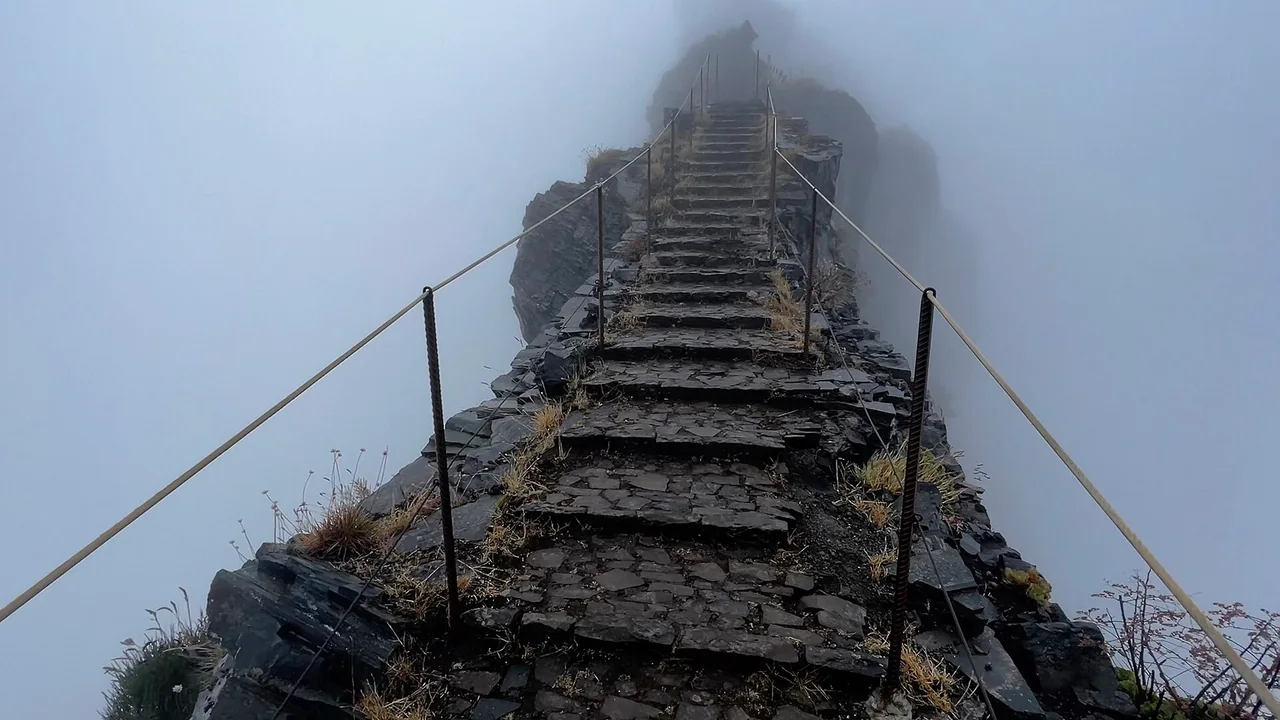
A policy that covers hiking can still leave a Madeira mountain rescue unpaid. World Nomads’ “rest of world” hiking pages exclude search and rescue while describing medical evacuation benefits; the EHIC won’t help with rescue or repatriation; and Madeira’s civil protection warns that walkers on unclassified or closed routes can be held liable for the cost of a helicopter rescue. So compare three separate lines in any wording: finding you, moving you to treatment and getting you home.
This page isn’t insurance advice: only the policy wording and the insurer’s written answer decide what you’re covered for. Rules and policy pages are quoted as they stood on 16 and 17 November 2026.
What a helicopter costs on Madeira
Ministerial Order 72/2025, published on 9 January 2025, lets the regional civil protection service charge for helicopter rescue missions. The Visit Madeira notice sets out the rates: €753.25 for the helicopter’s daily rate, €105 to activate a rescuer (up to €210 when two are needed) and €7.50 for each minute of flight. On those rates a 30-minute flight with one rescuer comes to €1,083.25, and €1,188.25 with two. That’s a worked example on the published rates, not an invoice, and real missions vary with flight time.
The charge has a boundary. It applies to walkers on routes not classified by IFCN, the regional nature agency, and to routes considered passable but temporarily or permanently closed. Residents of Madeira are exempt, and the notice says rescue missions will still be guaranteed whenever necessary. The civil protection statement of 14 January 2025 says the same in Portuguese. A walker on a classified, open trail isn’t the target of this rule.
The boundary moves with the trail table. The IFCN status table updated on 13 November 2026 lists the PR1 ridge route as closed, so anyone who walks it anyway falls under the charge; the central mountains guide has the current position and the booking rules for the trails that are open.
Who covers which job
| Job | Health card (GHIC or EHIC) | Travel policy |
|---|---|---|
| Finding you when you’re lost or overdue | No: Your Europe says the EHIC “will not help you with rescue and repatriation” | Often excluded, so look for the words “search and rescue” |
| Moving you from a clinic to a better-equipped hospital | No | Medical evacuation benefit, usually with pre-approval; it starts at a medical facility, not on the mountain |
| Treatment in a state hospital | Yes, if medically necessary and under the local rules | Medical expenses, subject to the excess |
| Flying you home after treatment | No | Repatriation, if the wording includes it |
The health card in your pocket
A UK traveller carries a GHIC and a traveller from an EU, EEA or Swiss scheme an EHIC. GOV.UK says that to get medically necessary state healthcare in Portugal you need one of the two, and that a card “is not an alternative to travel insurance”; its list of gaps includes medical repatriation and private healthcare. The European Commission says an EHIC doesn’t cover private healthcare costs such as return flights to your home country.
For the other big audiences, the card doesn’t exist, so the policy is the whole protection. Medicare’s fact sheet says it has limited coverage of healthcare outside the US and suggests travel insurance for more. The Government of Canada says a provincial or territorial health plan may cover none, or only a small part, of the costs abroad, including a medical evacuation, and that it never pays bills up front. Entry rules and wider planning are in the before-you-go guide.
What SafetyWing says about rescue
SafetyWing sells two products, Essential and Complete, and its help pages are specific about rescue. For the Essential plan in its version effective February 2026, hiking is covered up to 4,500 metres “as long as you use only certified, official paths”, and off-path or unauthorised routes aren’t covered. The same article says: “Helicopter expenses for search and rescue from a mountain are excluded from coverage.” The plan’s list of exclusions repeats it: “Search and rescue services including air transfer services via helicopter or any other aircraft.” The Complete plan’s help page lists “Search and rescue services” among its key exclusions too.
What the products do offer is shown on the product page: Essential lists US$250,000 of medical cover, Complete US$1,500,000, and both list evacuation to a better equipped hospital up to US$100,000 over a lifetime. The evacuation article explains the limit of that benefit: it moves you from one medical facility to another, needs SafetyWing’s approval in advance, and applies only up to your admission to the new facility. So on this product the hospital treatment and the transfer between hospitals are insured, and the helicopter that fetches you off a ridge isn’t. Madeira’s walks sit far below the altitude limit, since Pico Ruivo, the island’s highest point, is 1,862 metres, but the “official paths” condition lines up with the regional rule on classified routes.
The rules can stack. The same World Nomads pages also exclude claims where you didn’t follow local safety advice and warnings, so on that policy a walk on a closed route could bring a rescue bill and a refused claim for the same reason.
Matching the cover to your walks
Three kinds of trip, three answers. A trip of classified trails, walked on days when the IFCN table shows them open, sits outside the rescue charge, so the policy’s main work is treatment and the transfer between hospitals, which both SafetyWing products list; a flight home after treatment is a separate benefit, so look for the word repatriation in the wording. A trip that adds closed or unclassified sections puts a bill of the size above on you, and a policy that excludes search and rescue won’t take it back. A trip with a local guide on a classified route changes the booking, not the exclusion, so the written question below still applies.
Residents of Madeira are exempt from the helicopter charge and visitors aren’t, so a resident’s experience on a closed path says nothing about what a visitor would pay. An injury on day one, nowhere near a trail, needs the same treatment and flight-home cover, so set the policy dates around the whole trip, not only the walking days.
Calling for help
In an emergency on Madeira, call 112 first. It is the European emergency number and reaches the emergency services in Portugal, including mountain rescue. Call your insurer’s assistance line once you are safe or in treatment, and follow its instructions before agreeing to a transfer or an evacuation. GOV.UK gives 112 for Portugal, and it is the number printed on Visit Madeira’s advice page for walkers.
Keep the assistance number with the kit you carry on the walk, not in the suitcase at the hotel.
The message to send before you pay
Give the insurer the details and ask in writing: “I plan to walk [route name and number] from [start] to [turnaround], [on my own / with a named guide]. In the policy you’re offering me, what covers this activity, search and rescue, medical evacuation and repatriation, and what needs your approval first?”
If the reply covers treatment but says nothing about the search, the three lines aren’t answered yet. For the trail side of the question, the levada walking guide covers which routes are classified and how to book them.
Photos
Read also

What to see · 6 min read
Cabo Girão Skywalk: Ticket, Hours and Getting There
Updated · 17 November 2026Cabo Girão skywalk: €5 entry paid through SIMplifica, opening 08:00-20:00, 580 m of cliff, how to get there from Funchal and the Rancho cable car below.

Car hire · 9 min read
Car Hire in Madeira: Licence, Card Hold and Mountain Roads
Updated · 17 November 2026Car hire on Madeira: licence rules, National's €600 or €1,000 card hold, insurance gaps, free expressways and summit closures.

Regions · 7 min read
Pico do Arieiro and Pico Ruivo: PR1 Status, Fees and Access
Updated · 17 November 2026Madeira's two highest peaks: the PR1 ridge trail and fees, the road and bus to Arieiro, the short way up Pico Ruivo when PR1 is shut, and what to check.

What to see · 6 min read
Fanal Forest: Old Til Trees, Fog and the Winter Lake
Updated · 17 November 2026Fanal's old Til trees on Madeira's north-west uplands: 48 km from Funchal, fog you can't book, the winter lake, closed PR13 and PR14, car or tour.